
Blog
Designing Around Mature Trees: A Landscape Approach for Established DFW
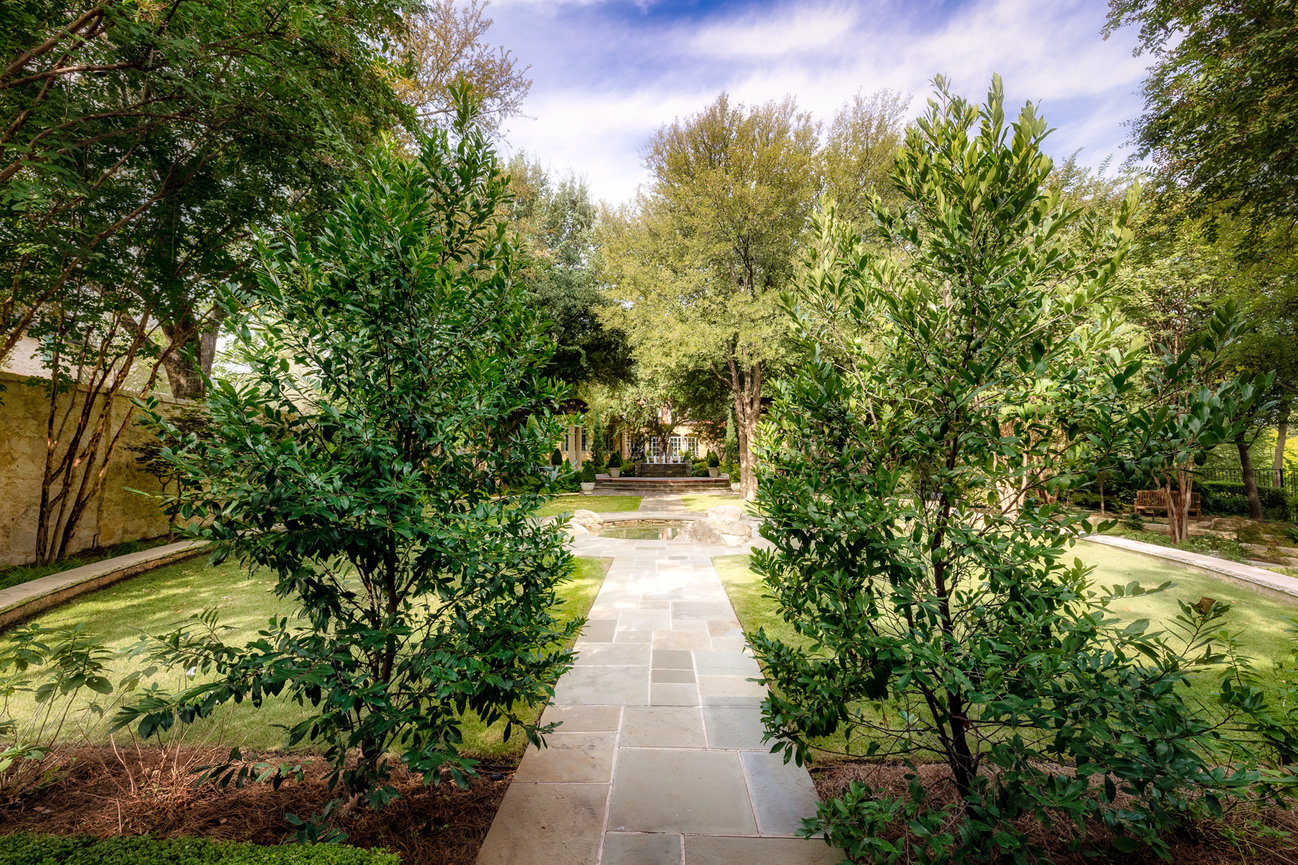
Established trees are one of the most valuable assets a property can have, offering shade, character, and years of growth that can't be replicated quickly. When designing a landscape around mature trees, the goal is to enhance and protect these existing assets rather than treating them as obstacles to work around.
Why Mature Trees Deserve Special Design Consideration
A large, established tree provides shade that reduces cooling costs, adds significant curb appeal, and often serves as a natural focal point for the rest of the landscape design. Damaging or removing a mature tree to accommodate a new design almost always represents a net loss, both financially and aesthetically, compared to designing thoughtfully around it.
Protecting Root Systems During Construction
Any hardscape or grading work near a mature tree needs to account for the tree's root system, since damaging major roots during excavation can seriously compromise the tree's health, sometimes with effects that don't become visible for years afterward.
Designing Shade Gardens Beneath Tree Canopies
The area beneath a mature tree's canopy often receives limited direct sunlight, calling for shade-tolerant plant selections specifically suited to these conditions rather than sun-loving species that will inevitably struggle there.
Incorporating Trees as Design Focal Points
Rather than working around a mature tree as an afterthought, the most successful designs often use significant trees as an intentional focal point, with pathways, seating areas, or garden beds arranged to draw attention toward and take advantage of the tree's presence.
Managing Root Flare and Grade Changes Near Trees
Adding soil or significantly altering grade near a mature tree's base can suffocate roots and stress the tree over time. Careful grading that respects the tree's existing root flare protects its long-term health while still allowing surrounding landscape elements to be added.
Balancing Hardscape Placement With Tree Health
Patios, walkways, or retaining walls near mature trees need to be planned with enough distance from the trunk and root zone to avoid long-term damage, sometimes requiring a design compromise between ideal hardscape placement and tree preservation.
Consulting an Arborist When Needed
For particularly valuable or sensitive trees, consulting with a certified arborist alongside the landscape design process can help ensure construction plans don't inadvertently compromise a tree's long-term health.
Enhancing, Not Competing With, What's Already There
A landscape design that thoughtfully incorporates mature trees rather than working against them tends to feel more established, valuable, and cohesive than a design that ignores existing natural assets in favor of a completely blank-slate approach.

If your property has mature trees you want to design around rather than remove, reach out through our contact page to talk through a plan that protects and enhances them.