

Blog
Is Artificial Turf Environmentally Friendly? What DFW Homeowners Should Consider
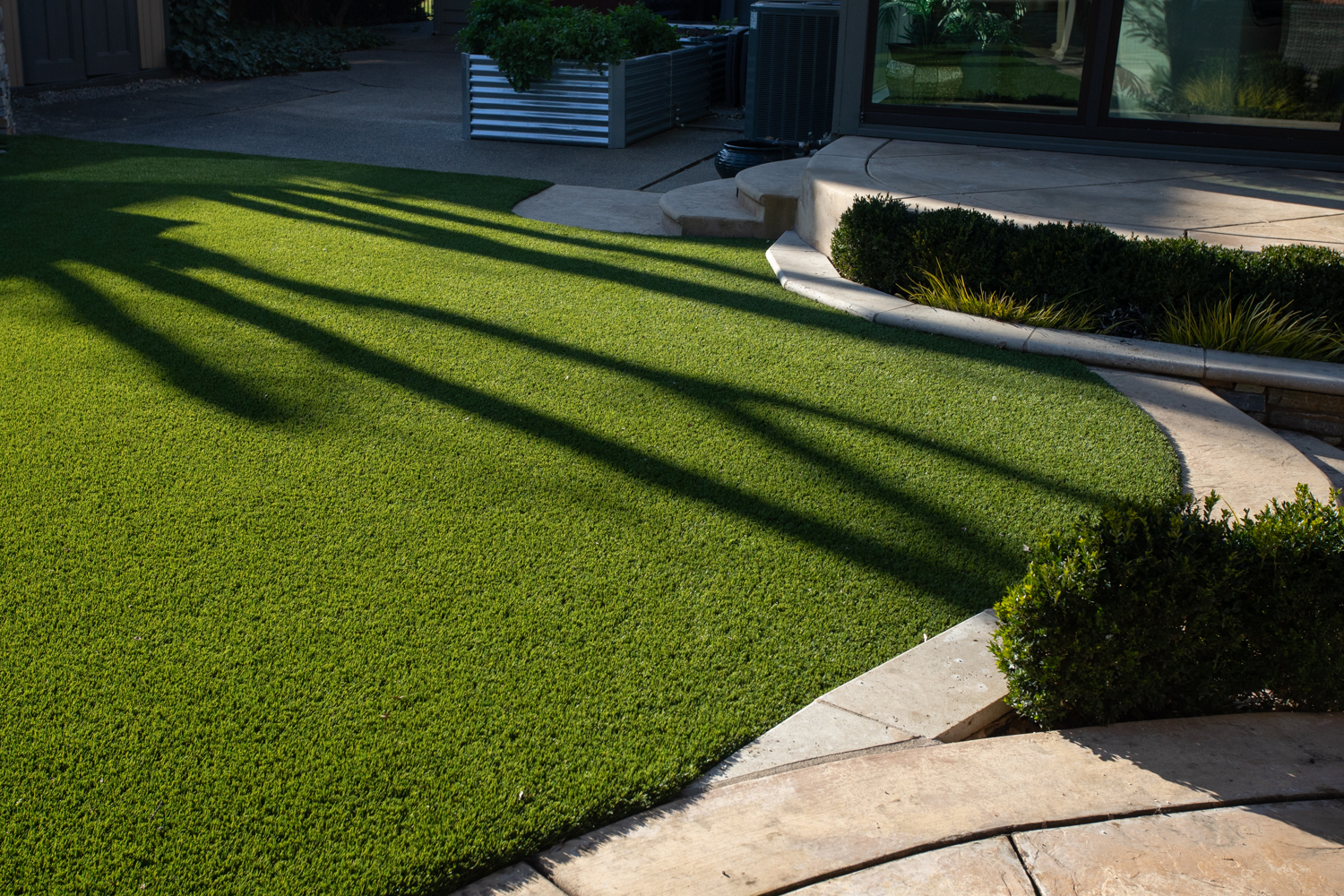
As more North Texas homeowners consider artificial turf, questions about its environmental impact often come up alongside the practical benefits. Understanding both the advantages and trade-offs helps homeowners make an informed decision that aligns with their priorities.
Water Conservation Benefits
The most significant environmental advantage of artificial turf is the dramatic reduction in water use compared to maintaining natural grass, particularly relevant in a region that regularly faces summer watering restrictions and where natural grass demands substantial irrigation to stay healthy through extended heat.
Eliminating Chemical Fertilizers and Pesticides
Natural lawns often rely on regular fertilization and occasional pesticide or herbicide application to stay healthy and weed-free. Artificial turf eliminates this need entirely, reducing the chemical inputs that would otherwise make their way into soil and groundwater.
Heat Considerations
One legitimate environmental and comfort trade-off is that artificial turf can retain more heat than natural grass in direct summer sun, an effect sometimes referred to as the "urban heat island" consideration on a smaller, residential scale. Choosing lighter-colored turf products and incorporating shade can help mitigate this effect.
Material Composition and Longevity
Modern artificial turf products are generally made from synthetic materials designed for durability, meaning a quality installation can last many years before needing replacement, reducing the frequency of material turnover compared to some assumptions about the product's lifecycle.
End-of-Life Considerations
As artificial turf reaches the end of its usable life, proper disposal or recycling becomes a relevant consideration. The industry has seen growing development of recycling programs for synthetic turf materials, though availability varies by region and product type.
Reducing Mowing Equipment Emissions
Eliminating regular mowing also eliminates the associated fuel consumption and emissions from lawn equipment, a smaller but still relevant factor in the overall environmental comparison between natural grass and turf.
Supporting Biodiversity Considerations
Natural grass and garden plantings support local pollinators and contribute to a property's overall biodiversity in ways that artificial turf does not, which is a legitimate consideration for homeowners prioritizing ecological impact alongside water conservation.
A Balanced, Hybrid Approach
Many environmentally conscious homeowners choose a hybrid approach — using artificial turf strategically in high-traffic or problem areas while maintaining natural plantings and reduced turf areas elsewhere, balancing water savings with continued support for local ecology.
Making a Decision Aligned With Your Priorities
The right choice ultimately depends on which environmental factors matter most to your household, whether that's prioritizing water conservation above all else or finding a balanced approach between synthetic and natural landscape elements.

If you're weighing the environmental trade-offs of artificial turf for your property, reach out through our contact page to talk through options that fit your priorities.