

Blog
Is Your Retaining Wall Failing? Warning Signs DFW Homeowners Shouldn't Ignore
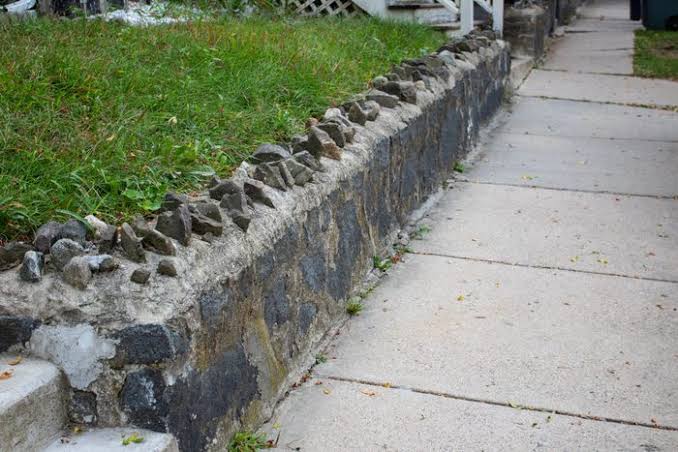
Retaining walls are built to handle significant pressure from soil and water, but even well-constructed walls can show signs of stress over time — and in North Texas, where clay soil expands and contracts dramatically with moisture changes, catching problems early can be the difference between a simple repair and a full rebuild.
Visible Cracking
Small hairline cracks in mortar joints or block seams aren't always urgent, but larger or spreading cracks are a sign that the wall is under more stress than it was built to handle, often due to water pressure building up behind it.
Leaning or Bulging
A retaining wall that's noticeably leaning outward or bulging in the middle is one of the clearest signs of structural failure. This typically happens when water pressure behind the wall exceeds what the structure and its drainage system were designed to manage, or when the original construction lacked adequate reinforcement.
Water Pooling at the Base
If water consistently pools at the base of a retaining wall, especially after rain, it often means the drainage system behind the wall isn't functioning properly. Left unaddressed, this trapped water is one of the most common causes of eventual wall failure.
Soil Erosion Around the Wall
Visible erosion or soil washing out from beneath or around a retaining wall suggests the wall isn't effectively containing the soil it was built to hold back, which can undermine the wall's foundation over time.
Gaps Forming at the Top or Sides
Gaps developing between the wall and the surrounding soil or hardscape can indicate settling or shifting, which often gets worse without intervention.
Why North Texas Clay Soil Makes This Worse
The clay-heavy soil common throughout DFW expands significantly when wet and contracts when dry, putting cyclical pressure on retaining walls that isn't as pronounced in regions with more stable soil types. Walls that weren't engineered with this specific soil behavior in mind are far more prone to the issues above.
What Happens If You Ignore These Signs
Retaining wall failure rarely resolves on its own, and small issues tend to compound. A wall with a minor lean can progress to a full structural failure, potentially damaging nearby hardscape, landscaping, or even a home's foundation if the wall was holding back soil near the structure.
Repair vs. Rebuild
Depending on the extent of the damage, some retaining wall issues can be addressed with targeted repairs — improving drainage, reinforcing specific sections, or addressing the source of water intrusion. More significant structural failure, however, often calls for a full rebuild with proper engineering and drainage from the ground up.

If you're noticing any of these warning signs on your property, it's worth having the wall assessed before the problem progresses further, both for safety and to avoid more expensive repairs down the line. Contact our team to schedule an evaluation of your retaining wall.