

Blog
Modern Landscape Lighting Techniques Transforming DFW Backyards
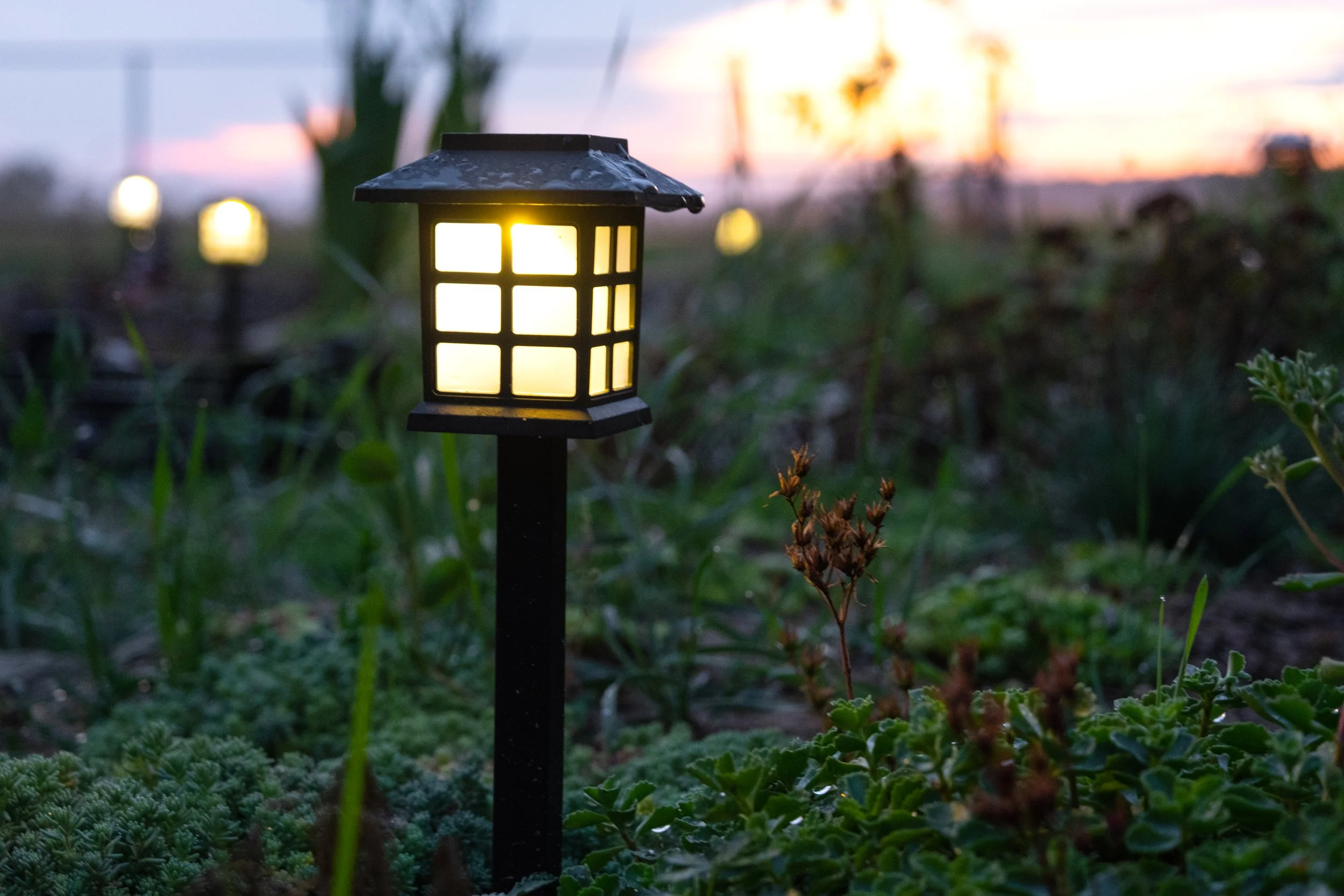
Landscape lighting has evolved well beyond a few spotlights aimed at the front of a house. Today's outdoor lighting designs use a range of techniques borrowed from architectural and theatrical lighting to create depth, drama, and function across an entire property. For DFW homeowners investing in outdoor living spaces, understanding these techniques helps clarify what's possible beyond basic path lights.
Moonlighting
Moonlighting involves mounting fixtures high in mature trees and aiming them downward, casting a soft, dappled light across the ground below that mimics natural moonlight filtering through branches. This technique works especially well on properties with established trees and creates a subtle, natural ambiance rather than obvious, direct lighting.
Uplighting
Perhaps the most commonly used technique, uplighting places fixtures at the base of a tree, column, or architectural feature and directs light upward, emphasizing height, texture, and vertical lines. This is particularly effective for highlighting specimen trees, stone columns, or a home's architectural details.
Silhouetting
Silhouetting places a light source behind an object — often a plant with an interesting shape — aimed at a flat surface like a wall or fence, so the plant's shadow becomes the visual focus rather than the plant itself. This creates a striking, artistic effect that's particularly popular for adding depth to smaller garden spaces.
Shadowing
A variation on silhouetting, shadowing places the light source in front of an object and aims it toward a wall, casting a more subtle, textured shadow rather than a sharp silhouette. This softer effect is often used for plants with interesting leaf textures or branching patterns.
Grazing
Grazing involves placing a light very close to a textured surface — like a stone retaining wall or masonry feature — and aiming it up or across the surface at a sharp angle, which emphasizes texture and depth by creating small shadows across the material's natural variations.
Path and Step Lighting
While more functional than dramatic, thoughtfully placed path and step lighting remains an essential technique, both for safety and for creating a soft, guiding glow along walkways that ties the rest of the lighting design together.
Color Temperature Considerations
Modern LED lighting systems allow for precise control over color temperature, and most residential landscape lighting designs favor warmer tones that complement natural stone, wood, and greenery, rather than the cooler, bluer light often associated with commercial or security lighting.
Smart Lighting Controls
Many homeowners are now incorporating app-controlled or automated lighting systems, allowing scheduled lighting changes, scene presets for entertaining, and remote control without manually adjusting individual fixtures.
Combining Techniques for a Layered Effect
The most visually compelling landscape lighting designs combine several of these techniques across a property, rather than relying on a single approach throughout. A well-executed plan layers moonlighting in mature trees, uplighting on key architectural features, and path lighting for function, resulting in a nighttime landscape that feels intentional and dimensional.

Curious what these techniques could look like on your property? Contact our team to talk through a custom lighting design.