
Blog
Overseeding or Full Sod Replacement? Reviving a Thin DFW Lawn
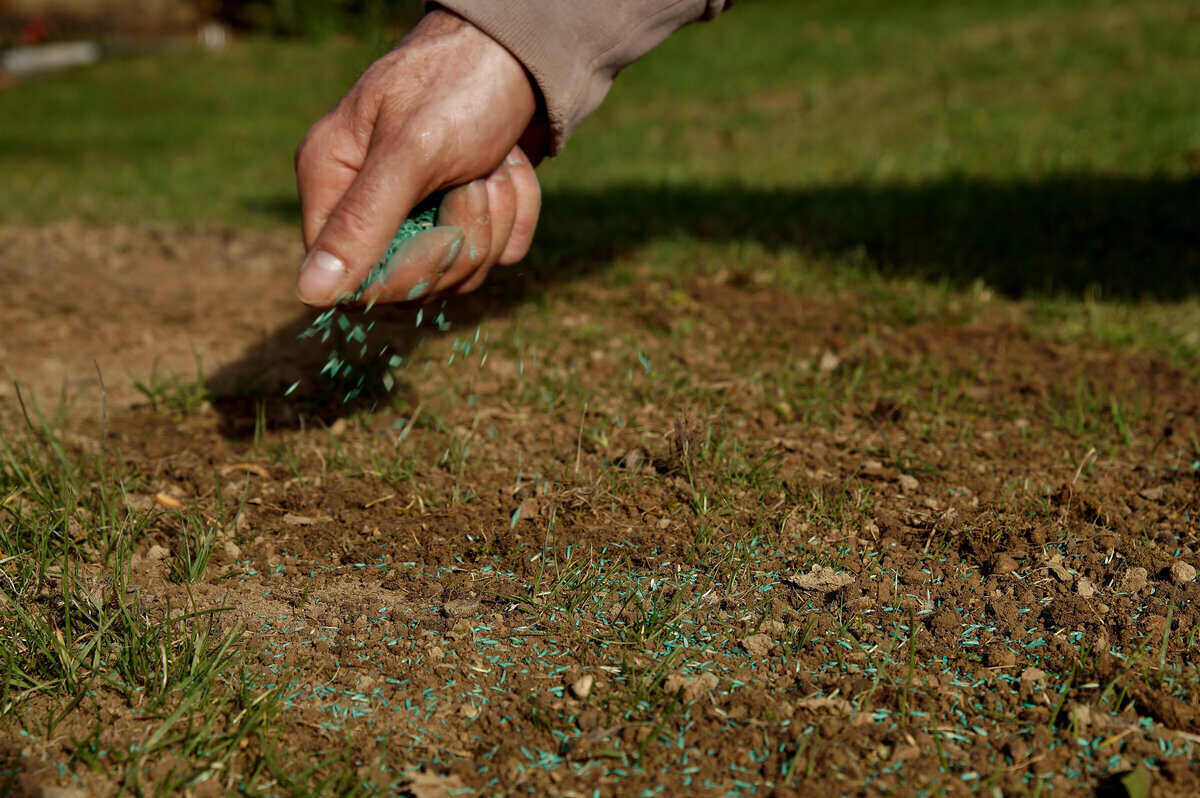
When a lawn starts thinning out but hasn't fully failed, homeowners often face a choice between overseeding existing turf or opting for a full sod replacement. Understanding when each approach makes sense helps avoid unnecessary cost while still addressing the underlying problem effectively.
What Overseeding Involves
Overseeding introduces new grass seed into an existing lawn to thicken thinning areas, without removing the existing turf. This approach works best when the majority of the lawn is still healthy and the underlying soil conditions are reasonably good.
What Full Sod Replacement Involves
A full replacement removes existing turf entirely, addresses any underlying soil or drainage issues, and installs fresh sod across the property, essentially starting the lawn over from a clean slate.
When Overseeding Makes Sense
Overseeding tends to work well when thinning is relatively minor and widespread, rather than concentrated in specific severely damaged areas, and when the existing grass type is still appropriate for the yard's sun and shade conditions.
When Full Replacement Is the Better Choice
If a lawn has significant bare or severely damaged areas, if the original grass variety was never well-suited to the yard's conditions, or if underlying soil issues are contributing to persistent problems, a full replacement addresses the root cause more effectively than overseeding existing turf.
Cost Comparison
Overseeding is generally less expensive than a full sod replacement, since it doesn't involve removing existing turf or purchasing an entirely new lawn's worth of sod, making it an attractive option when a lawn's underlying condition supports this more limited approach.
Timeline Differences
Overseeding takes time for new seed to germinate and fill in, similar to the seeding process for a new lawn, while sod replacement provides an immediate, mature-looking lawn from the day of installation.
Matching Grass Type During Overseeding
When overseeding, it's important to select a grass variety compatible with the existing lawn rather than introducing a completely different type that could create inconsistent texture or color across the yard.
Addressing Underlying Issues Either Way
Whether overseeding or fully replacing a lawn, addressing any underlying causes of thinning — poor soil, inadequate irrigation coverage, or a grass variety mismatched to sun and shade conditions — is essential for the fix to actually hold up long-term.
Getting an Honest Recommendation
The right choice between overseeding and full replacement depends on an honest assessment of how widespread the damage is and what's actually causing it, rather than defaulting to the less expensive option without addressing the underlying issue.

Reach out through our contact page for an assessment of whether overseeding or a full sod replacement is the right fit for your lawn.