

Blog
Sod or Seed? Comparing Lawn Installation Methods for DFW Yards
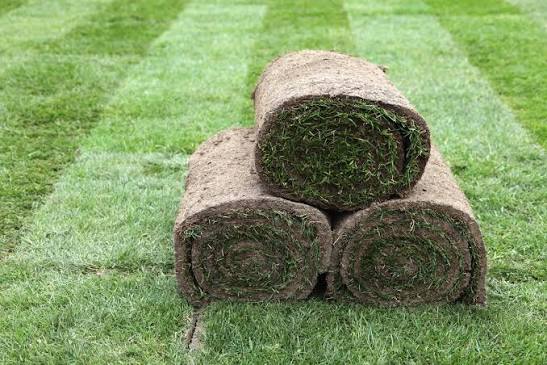
When it's time to establish a new lawn, homeowners generally have two options: sod or seed. Both can result in a healthy, attractive lawn, but they differ significantly in cost, timeline, and the level of care required during establishment — factors that matter even more in North Texas's demanding climate.
Speed of Establishment
Sod provides an instant, mature lawn from the moment it's installed, while seeding requires weeks to months before grass fills in fully, during which the yard remains vulnerable to erosion, weeds, and uneven growth.
Upfront Cost Differences
Seeding is typically far less expensive upfront than sod, since it doesn't involve the cost of pre-grown turf. However, this cost difference needs to be weighed against the additional time, water, and maintenance required to get seeded grass to full maturity.
Erosion and Weed Risk
Newly seeded lawns are considerably more vulnerable to erosion from rain and wind, and weeds often compete aggressively with young grass seedlings before they've had a chance to establish fully. Sod, by contrast, provides immediate ground coverage that resists both issues from day one.
Watering Requirements During Establishment
Seeded lawns generally require more frequent, consistent watering during germination and early growth, since seeds and seedlings dry out and die quickly if the soil surface isn't kept consistently moist. Sod also requires diligent watering to establish, but its already-developed root system is somewhat more forgiving of minor watering inconsistencies.
Variety and Selection Differences
Seed offers a somewhat wider range of grass variety and blend options in some cases, while sod is generally limited to varieties commercially grown and harvested as sod in the region, though the most popular and best-performing options for North Texas are readily available as sod.
Best Use Cases for Seeding
Seeding can make sense for larger properties where the cost difference is more significant, for homeowners not in a hurry for an immediate finished look, or for overseeding an existing lawn rather than establishing an entirely new one.
Best Use Cases for Sod
Sod tends to be the better choice when an immediate, finished lawn is a priority, for smaller to mid-sized properties where cost difference is less significant, or for areas prone to erosion where seeding would carry higher risk of failure before establishment.
Weighing the Trade-offs for Your Property
The right choice ultimately comes down to your timeline, budget, and how much risk you're willing to accept during the establishment period. For many homeowners wanting a reliable, fast result without the vulnerability of a seeded lawn's early weeks, sod remains the more predictable option.

Contact our team to talk through which lawn installation method makes the most sense for your property and goals.